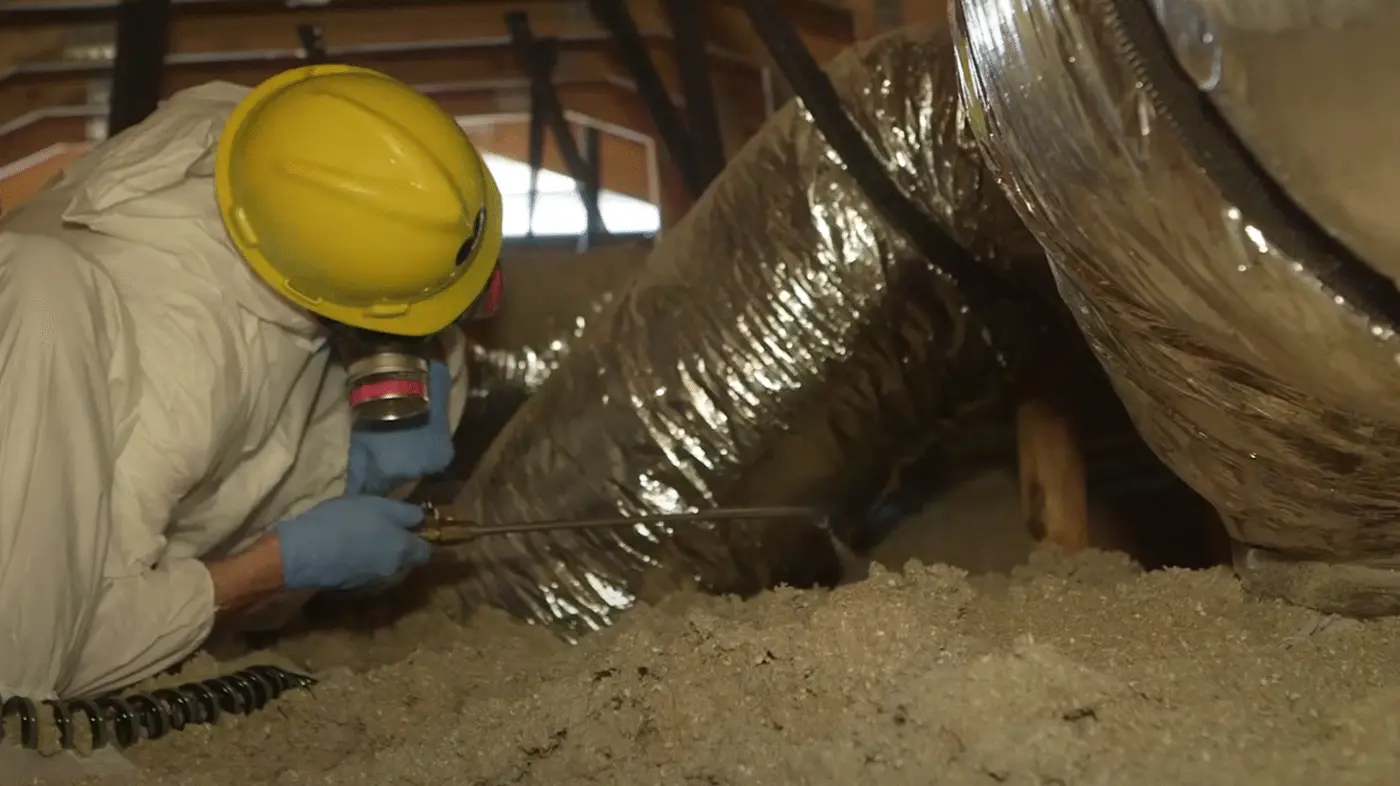
How the call works
Start by explaining what you found, where it is happening, how long it has been active, and what kind of property is involved. The conversation can then focus on whether the likely need is inspection, removal, trapping, exclusion, prevention guidance, or a mix of services.
Referral-appropriate service information
This site does not claim a single storefront, staff history, or physical office for the phone number. The purpose is to help Philadelphia callers talk through rodent signs and connect with local rodent-control help without waiting on a form.
Philadelphia property focus
Philadelphia rowhomes, older brick, basements, shared walls, alleys, rentals, and small commercial spaces all create conditions where rat and mouse problems can travel farther than one room. Those local details matter on the call.
Straightforward expectations
Service details, availability, pricing questions, and scheduling are confirmed by phone. The page avoids promises, guarantees, reviews, addresses, or operating-company claims that this referral site cannot verify.
Why the service is focused on Philadelphia properties
Philadelphia has a mix of attached homes, older brick, narrow alleys, basement storage, rentals, small storefronts, and shared trash pressure. Those conditions make rat and mouse problems feel different from a one-off pest sighting. Philadelphia Rodent Control keeps the conversation centered on those local conditions so callers can explain what is happening without sorting through unrelated pest topics.
What callers can expect to discuss
A helpful call should cover the signs you found, where they are strongest, how long they have been present, whether the property is occupied or rented, whether pets or children are present, and whether previous traps, repairs, or cleanup attempts changed anything. Those details help decide whether the likely need is inspection, removal, trapping, exclusion, or prevention.
How trust is built without big claims
Rodent customers need clear explanations more than slogans. They want to know whether the issue sounds like rats or mice, whether the building has obvious access points, what rooms should be checked, and what they can do while waiting for service. The focus here is practical help, local language, and a direct phone number.
Who commonly calls
Homeowners call after droppings or wall sounds. Landlords call when tenants report activity. Small businesses call when food areas, storage, trash, or customer spaces are involved. Property managers call when recurring activity affects multiple units or common areas. Each situation benefits from a clear description before service begins.