Find the entry points before guessing at treatment

Rodent Inspection in Philadelphia, PA

A good rodent inspection prevents wasted effort. Instead of treating every property the same way, the inspection maps evidence, likely entry points, nesting areas, food and moisture sources, and conditions that make the problem likely to return.

Call for helpCall 215-461-4620
LocationPhiladelphia, PA
Property fitRowhomes, basements, rentals, businesses
Fast detailsDescribe the signs you found at the property

What to know

Rodent Inspection in Philadelphia, PA

What gets checked

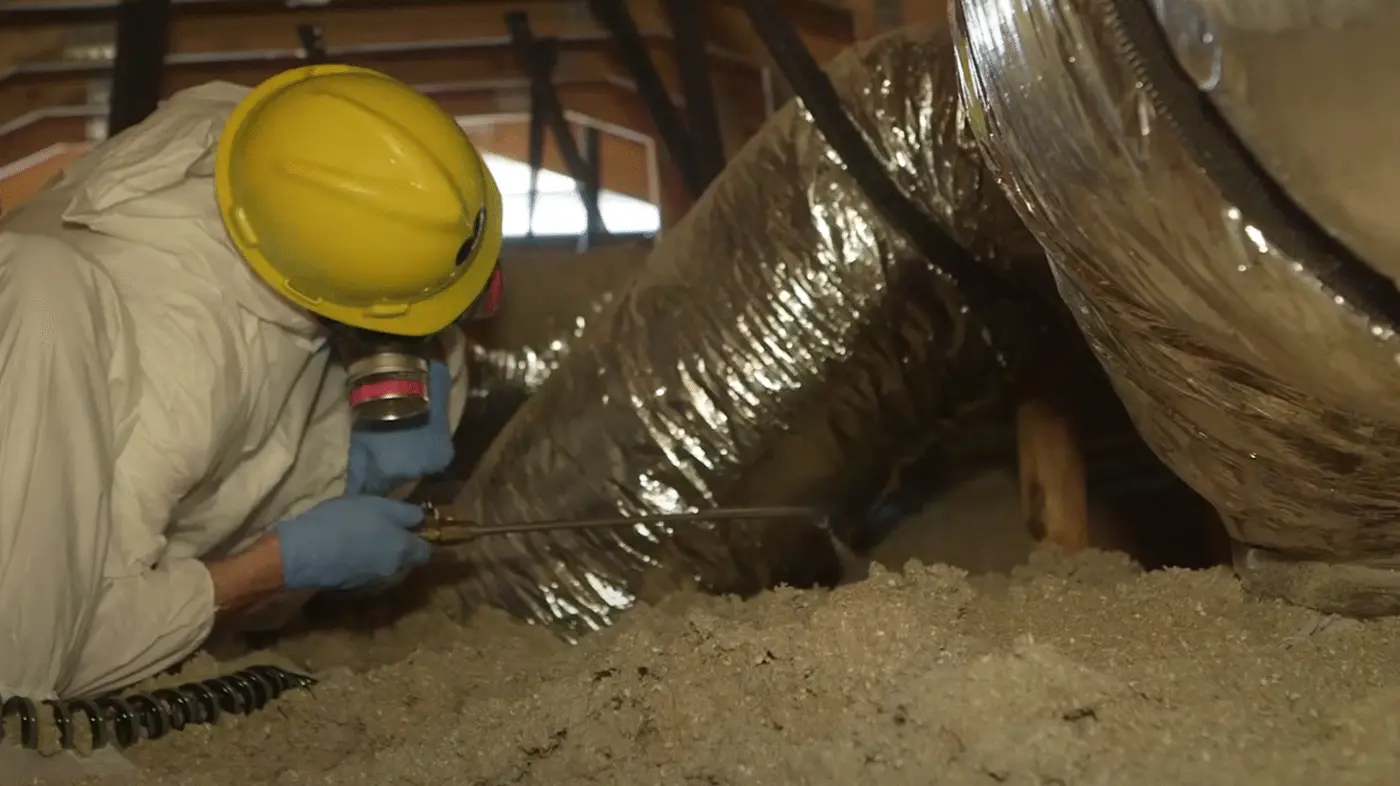
Basement edges, pipe penetrations, utility chases, door sweeps, garage gaps, attic insulation, cabinet backs, exterior walls, rear alleys, foundation cracks, and trash storage areas are all common inspection points in Philadelphia properties.

Evidence matters

Dropping size, chew patterns, rub marks, burrow signs, and sound locations help separate rats from mice. That matters because the plan, device placement, and sealing details are different.

Clear next steps

After inspection, callers need to know what activity was found, where the likely access points are, what can be treated immediately, and which prevention steps matter most.

How inspection connects to treatment

Inspection connects the first signs of activity to the right treatment path. It helps decide whether the caller needs rat control, mice control, trapping, exclusion, active removal, or a mix of services.

A good inspection follows the evidence

Rodent inspection should not begin with a guess. Droppings, rub marks, chew damage, sounds, odors, nesting material, burrows, and pet attention all point toward different rooms and exterior areas. In Philadelphia, the inspection often needs to connect basement edges, kitchens, shared walls, rear alleys, trash areas, porch openings, and old utility penetrations.

What to check before service

Walk the property if it is safe to do so. Look under sinks, behind the stove, near the water heater, along basement walls, near garage doors, around exterior pipes, under porches, and beside trash storage. Photos of droppings, holes, or damage can help, but a plain description by phone is enough to start the conversation.

Inspection for landlords and tenants

Rental properties need clear facts because access, responsibility, and timing can be complicated. Mention whether the signs were reported by a tenant, whether the owner has inspected the unit, whether activity is in a common area, and whether neighboring units have similar complaints. That helps separate unit-specific evidence from building-wide pressure.

What the inspection should answer

A useful inspection should narrow down the likely species, the strongest activity area, the possible entry points, and the next practical step. Sometimes that means trapping first; sometimes it means sealing recommendations, sanitation changes, or a deeper check of the basement, attic, crawl space, or exterior perimeter.
Droppings and rub marks

Fast clues about species and movement routes.

Utility gaps

Pipes, wires, vents, and old repairs often leave openings.

Basement edges

Older Philadelphia basements are common starting points.

Exterior pressure

Alleys, trash, and neighboring activity affect recurrence.

Philadelphia rodent control service context

Philadelphia neighborhoods

Local context for rat and mouse problems in Philadelphia.

Philadelphia rodent inspection calls often involve attached homes, shared walls, basements, alleys, rentals, and utility gaps. The more specific the description is, the easier it is to understand whether the problem sounds like rats, mice, entry-point failure, or cleanup and prevention work.

  • South Philadelphia
  • Center City
  • West Philadelphia
  • North Philadelphia
  • Northeast Philadelphia
  • Fishtown
  • Kensington
  • Manayunk
  • Roxborough
  • University City
  • Port Richmond
  • Northern Liberties

Before you call

Details that help narrow the service plan.

Where the activity started

For rodent inspection, tell us whether the first signs were in the kitchen, basement, attic, garage, wall, ceiling, rear alley, utility room, crawl space, trash area, or outside foundation. Location helps separate a food-source issue from an entry-point issue.

What the evidence looks like

For Rodent Inspection in Philadelphia, PA, large droppings, small droppings, greasy rub marks, gnawed wood, chewed packaging, shredded insulation, scratching noises, burrows, odors, and pet attention all point to different next steps. A short description on the phone can save time on the visit.

What type of property it is

A Philadelphia rodent inspection call from a rowhome, duplex, apartment, rental, older brick home, storefront, or restaurant can involve different access and prevention issues. Shared walls, alley trash, basement moisture, door gaps, and utility lines matter.

What already changed

Before a rodent inspection visit, mention recent construction, utility repairs, new neighbors, trash changes, water leaks, food storage issues, pet food, or previous trap attempts. These details help decide whether inspection, trapping, exclusion, or active removal should come first.

Related help

Other rodent services to compare

Why call this number

Get a clear next step instead of a generic pest answer.

Inspection gives the plan a starting point

When the evidence is unclear, guessing can waste time. A phone call lets you describe droppings, sounds, odors, chewing, or pet attention before the inspection, so the first look can focus on the rooms and exterior areas most likely to matter.

Good questions beat broad promises

Philadelphia inspections may involve basement edges, alley doors, shared walls, cabinet backs, and utility chases. Calling gives you room to ask what should be checked and what photos or details may help before service is scheduled.

What happens next

What the call should help clarify.

Rodent Inspection in Philadelphia, PA next steps

A good rodent inspection conversation should leave you with practical expectations: what evidence matters most, whether the problem sounds active or preventive, which rooms or exterior areas need attention first, and what access may be needed. Philadelphia properties can hide rodent activity behind shared walls, basement edges, cabinet backs, utility chases, and rear-alley gaps, so the service should fit the details of the property instead of a one-size-fits-all pest answer.

Call now

Describe what you found and where it is happening.

For rodent inspection, droppings, scratching, gnaw marks, sightings, basement activity, alley pressure, cabinet damage, or recurring traps all help identify the right next step.

Call 215-461-4620

FAQs

Common questions

When should I call for rodent control?

Call when you see droppings, hear scratching in walls, smell a strong ammonia odor, find shredded insulation, notice gnawed food packaging, or see gaps around pipes and foundation areas. Fast action matters because a small rodent problem can turn into a larger infestation quickly in attached Philadelphia properties.

Can you help with Philadelphia rowhomes and shared walls?

Yes. Rodent pressure in rowhomes often involves shared walls, alleys, basements, utility penetrations, and neighboring trash sources. A good plan checks the structure you control, closes reachable entry points, and gives practical prevention steps for the areas around the property.

Is trapping enough by itself?

Trapping can reduce active rodents, but long-term control usually needs inspection, entry-point sealing, sanitation guidance, and monitoring. If the access points stay open, new rats or mice can keep replacing the ones caught.

Do you handle rental properties?

Yes. Call with the property address, what the tenant or owner has seen, and where activity is showing up. Rental properties usually need clear documentation, practical access scheduling, and a plan that separates active removal from prevention work.

What should I describe on the call?

Tell us where you saw droppings or damage, whether the issue seems like rats or mice, how long it has been happening, whether pets or children are in the property, and whether there are basements, alleys, attached homes, or recent utility repairs involved.