Rat Control in Philadelphia
Heavy droppings, burrows, grease marks, gnawing, and nighttime movement often call for a rat-specific plan.
Read moreWhen rodents show up in a Philadelphia property, the problem is rarely just one mouse in one room. Rowhomes, older basements, alley walls, shared utility runs, and dense blocks give rats and mice more places to travel, hide, and re-enter. Philadelphia Rodent Control helps callers sort out what they are seeing: the signs of activity, the likely species, the rooms or exterior areas involved, and the practical repairs that may keep the property easier to defend after the first visit.
Philadelphia rodent plan
Older rowhomes, shared walls, alleys, utility penetrations, basements, and attached rentals need specific rodent work. The main services cover rat activity, mouse activity, active removal, trapping, inspection, and exclusion in clear detail.
Heavy droppings, burrows, grease marks, gnawing, and nighttime movement often call for a rat-specific plan.
Read moreSmall droppings, cabinet activity, wall sounds, and tiny utility gaps need a different inspection and sealing approach.
Read moreActive trapping, access checks, and prevention steps work together so the issue does not keep cycling.
Read moreDroppings, rub marks, utility gaps, and basement edges are checked before guessing at the treatment.
Read moreGaps around pipes, doors, vents, foundations, and brickwork are reviewed for practical sealing options.
Read moreTrap placement follows rodent travel signs, property access, pets, tenants, and monitoring needs.
Read more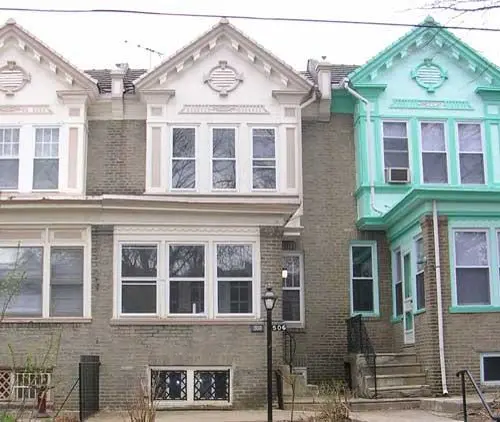
Local property context
Rodent problems in the city often involve old brick foundations, rear alleys, shared walls, basement moisture, rowhome utility lines, apartments, rentals, small storefronts, tight trash storage, sidewalk gaps, attached garages, restaurant waste areas, and utility work that opens new travel routes.
How we approach it
The first priority is finding the evidence that tells us what is actually happening: droppings, rub marks, chew marks, nesting material, wall sounds, odors, and likely travel paths. In Philadelphia, that often means checking basement sill plates, utility penetrations, rear alley doors, under-sink plumbing, garage edges, porch foundations, and gaps around old brick or mortar. A stronger inspection prevents wasted treatments and helps separate a mouse problem from a heavier rat problem.
A homeowner searching for rodent control may need trapping, exclusion, cleanup guidance, or a rat-specific plan. Rats behave differently than mice and can be more cautious around new objects. Mice can use very small openings and often move through cabinets, walls, and upper floors. Rat activity, mouse activity, removal, trapping, inspection, and exclusion each point to different details at the property, so the service information is separated by the problem a customer is actually seeing.
Common calls come from South Philadelphia, Center City, West Philadelphia, North Philadelphia, Northeast Philadelphia, Fishtown, and surrounding neighborhoods where attached housing, food waste, construction, and older utility lines can increase pressure. These problems show up in rowhomes with shared walls, older brick twins, rental properties, small apartment buildings, restaurants and storefronts, basements, crawl spaces, and attached garages.
Tell us where you saw droppings, heard scratching, found chewing, noticed odors, or saw rats or mice. Those details help separate an active rat or mouse issue from a sealing, inspection, or cleanup problem.
Rodent problems in Philadelphia often start in places that are easy to overlook: a narrow rear alley, a pipe chase behind a kitchen cabinet, a basement rim joist, an old door sweep, or a small opening around a utility repair. A detached suburban house may have one obvious exterior gap; a rowhome or rental can have shared walls, multiple tenants, common trash pressure, and older brick that hides movement until droppings or scratching become obvious. That is why the conversation should cover both the inside signs and the outside conditions around the block.
Before calling, check the places where food, warmth, moisture, and quiet storage meet. Look under sinks, behind appliances, along basement walls, near pet food, around trash areas, beside garage doors, under porches, and near old utility penetrations. Droppings, torn insulation, chewed packaging, grease marks, new holes, nesting material, and sour odors all help identify whether the issue looks like mice, rats, or both.
Inspection finds the evidence. Trapping or removal reduces active movement. Exclusion closes reachable gaps where practical. Prevention lowers the food, moisture, clutter, and exterior pressure that can invite new activity. Most strong rodent plans use more than one of those pieces. A call should help decide whether the property needs immediate removal, a closer inspection, sealing recommendations, or a rat- or mouse-specific plan.
Mention the neighborhood, property type, where the signs are strongest, whether the problem is new or recurring, and whether pets, children, tenants, food areas, or business hours affect access. A clear description helps the service focus on the right rooms, the right exterior areas, and the right safety concerns from the beginning.
Why call this number
You can explain the droppings, wall sounds, burrows, cabinet damage, or sightings in plain language and get the next step matched to the problem. That is more useful than buying random traps or sending a form that does not capture the building details.
Rowhomes, alleys, shared walls, old basements, rental access, and trash pressure change how rat and mouse problems should be handled. A call lets those local details shape the service instead of forcing the property into a generic pest answer.
Call now
Tell us where you saw droppings, heard scratching, found chewing, noticed odors, or saw rats or mice. A short call helps separate an active rat or mouse problem from an inspection or sealing issue.
Questions callers ask
Call when you see droppings, hear scratching in walls, smell a strong ammonia odor, find shredded insulation, notice gnawed food packaging, or see gaps around pipes and foundation areas. Fast action matters because a small rodent problem can turn into a larger infestation quickly in attached Philadelphia properties.
Yes. Rodent pressure in rowhomes often involves shared walls, alleys, basements, utility penetrations, and neighboring trash sources. A good plan checks the structure you control, closes reachable entry points, and gives practical prevention steps for the areas around the property.
Trapping can reduce active rodents, but long-term control usually needs inspection, entry-point sealing, sanitation guidance, and monitoring. If the access points stay open, new rats or mice can keep replacing the ones caught.
Yes. Call with the property address, what the tenant or owner has seen, and where activity is showing up. Rental properties usually need clear documentation, practical access scheduling, and a plan that separates active removal from prevention work.
Tell us where you saw droppings or damage, whether the issue seems like rats or mice, how long it has been happening, whether pets or children are in the property, and whether there are basements, alleys, attached homes, or recent utility repairs involved.